
In the first part of this piece, we explored the area of financial safety online with focus on the common tactics used by cybercriminals and the technical side of keeping oneself safe from such elements.
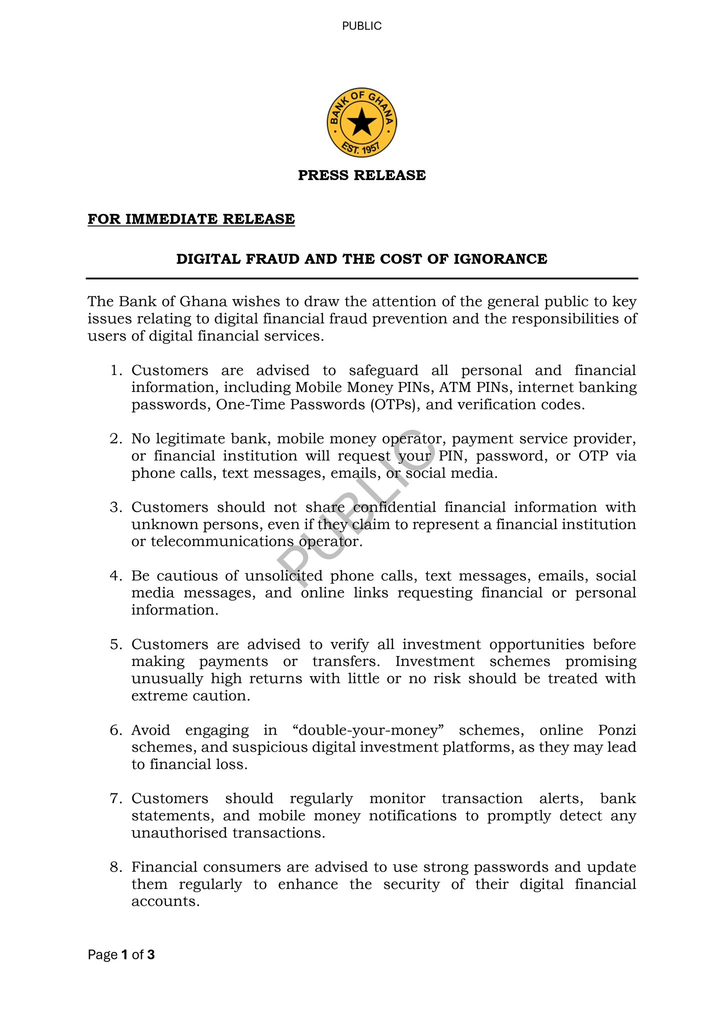
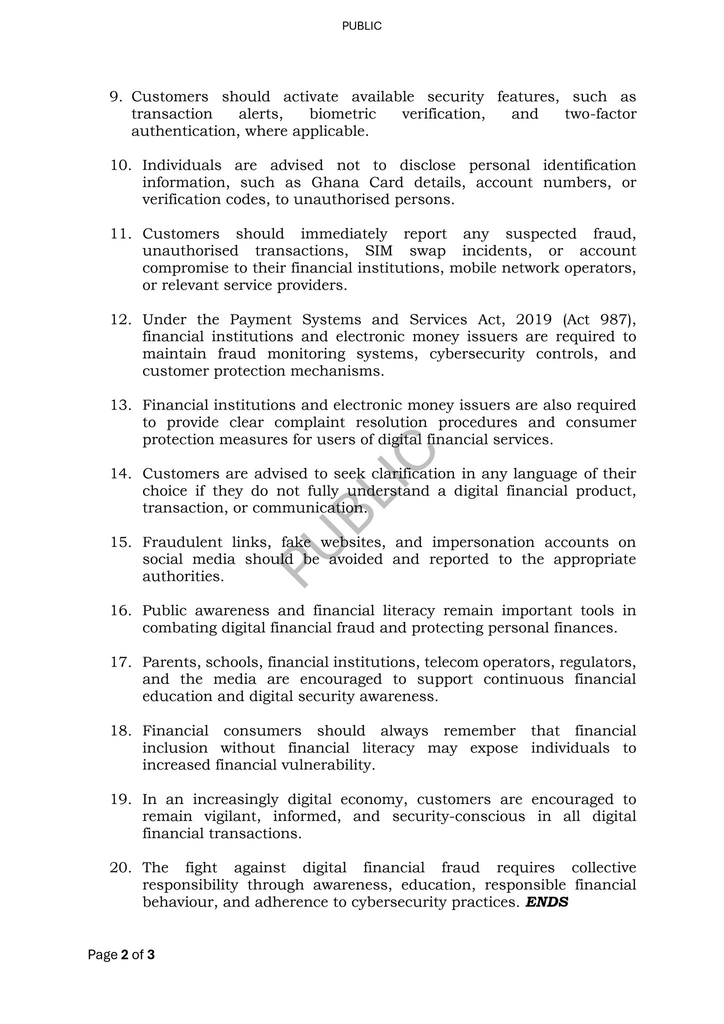
In this installment, we explore issues around use of Public WiFi, making online payments and financial safety tips as shared by the Bank of Ghana (BoG) in a circular where it alerted the public to digital financial fraud prevention and the responsibilities of users of digital financial services.
Think Twice About Public or Free Wi-Fi
Free Wi-Fi can be convenient, but it is not always appropriate for financial transactions. Public networks in cafés, airports, hotels or shopping centres may have weaker security or could potentially be impersonated by malicious actors.
This creates additional risks when you are entering sensitive information. Would you willingly discuss your bank details in a crowded public place where strangers could listen? Treat an unsecured public network with similar caution.
As a general rule:
- Avoid using public or free Wi-Fi for mobile banking, online banking, entering card details or making important financial transactions.
- Use your mobile data or a trusted connection instead.
- If you absolutely must use a public network, avoid accessing sensitive financial accounts and do not assume that a network is safe simply because it has a familiar name.
- A VPN can improve privacy on some networks, but it does not make a fraudulent website or scam transaction legitimate.
Before you make an online payment
Take a moment to verify who you are paying and where your money is going. When shopping online, check the seller’s identity, website address, contact information, reviews and payment details. Be particularly cautious when a seller offers an expensive product at an unbelievable price or insists that you move the conversation to another platform and pay immediately.
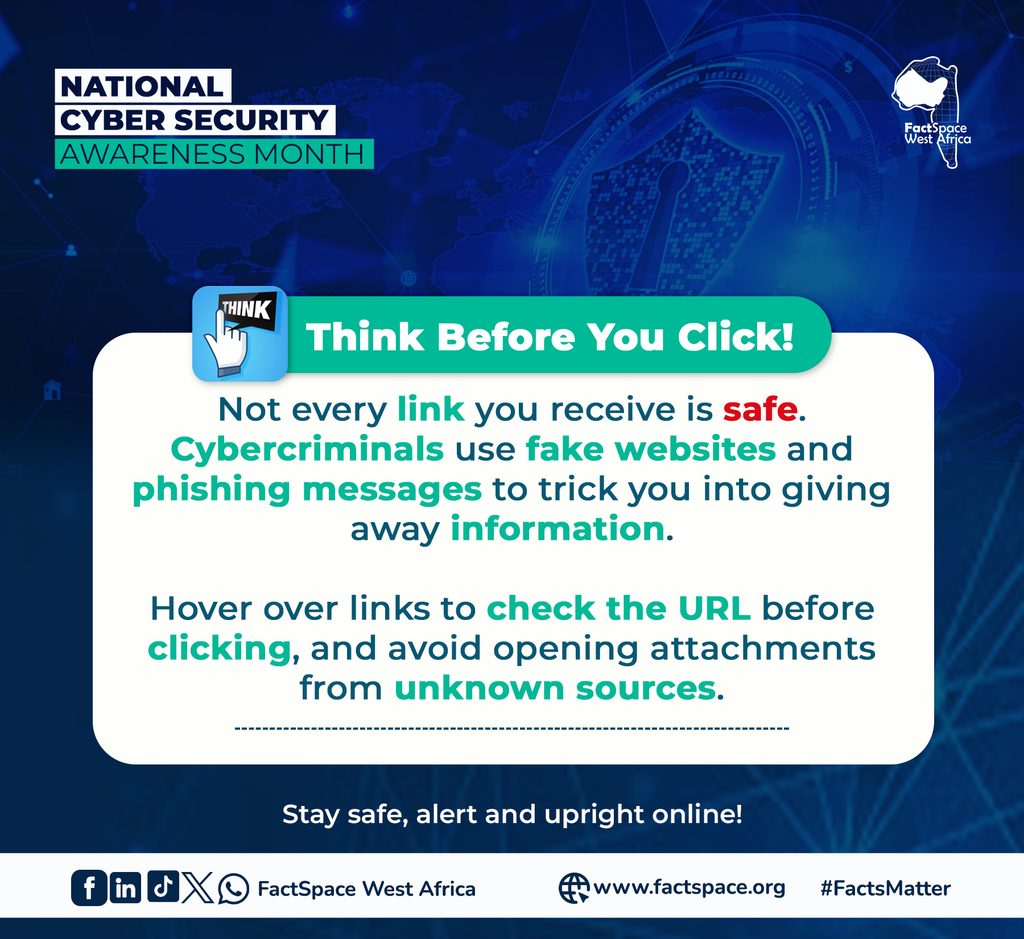
Before confirming a mobile money transaction, read the recipient’s name and amount carefully. A few seconds of checking can prevent an expensive mistake. Be equally careful with links. A website can look almost identical to a legitimate banking or shopping platform while actually being designed to steal your login information. Rather than clicking a financial link sent through a random message, open your bank’s or service provider’s official app or manually navigate to its known website.
Some practical digital financial safety tips
- Use strong, unique passwords for banking, email and shopping accounts.
- Enable 2FA or multi-factor authentication wherever it is available.
- Never share your PIN, password, OTP, CVV or verification code, even with someone claiming to be an official.
- Keep your phone, operating system and financial apps updated.
- Research online sellers before paying, especially unfamiliar ones.
- Do not click suspicious payment or banking links. Open the official app or website yourself.
- Check the recipient’s name and amount before confirming a mobile money transaction.
- Avoid banking or making sensitive payments over public or free Wi-Fi.
- Protect your phone with a strong screen lock or biometric authentication.
- Do not allow urgency or pressure to make financial decisions for you.
- Keep transaction records and check your account statements regularly for unfamiliar activity.
- Report suspicious transactions immediately to your bank, mobile money provider or the relevant platform.
- Verify unexpected requests for money independently, especially when they come from friends or relatives through new numbers or accounts.
- Think before you trust. A familiar logo, profile picture or phone number does not automatically prove that a person or website is legitimate.
Digital financial safety is ultimately a combination of good habits and good security practices. Technology can provide strong protection, but it cannot always protect you from being manipulated into handing over information or approving a transaction yourself.
Final tips:
- Before you click, pay, transfer or share, take a few seconds to verify.
- When something feels unusually urgent, unusually cheap or unusually secretive, pause.
- Convenience should never be more important than security.
Written by Samuel Adjetey Adjei