


Think about everything you have done online today. You may have liked a TikTok video, searched on Google, sent a WhatsApp message, watched a YouTube video, posted a photo or visited a website.
These actions may feel ordinary and forgettable, but they can leave footprints behind.
According to IBM, a digital footprint, sometimes called a “digital shadow,” is the unique trail of data that a person or business creates while using the internet. In other words, just as physical footprints show where you have walked, your digital footprint could also show what you have done online.
What Are the Types of Digital Footprints?
Digital footprints are generally divided into two types: active and passive. An active digital footprint is information you deliberately put online, such as a social media post, photo, video, comment, review or message.
A passive digital footprint is information created or collected through your online activities, sometimes without you consciously sharing it, such as browsing activity or information collected by websites. IBM notes that nearly every online activity can leave a trace, from a public social media post to cookies used by websites to track visitors.
Your Everyday Actions Leave Traces
Your digital footprint is being built every day, often without you knowing it. Posting on TikTok, Instagram, Facebook or X, uploading photos, liking or sharing content, searching for information, shopping online, sending emails, downloading apps, chatting on WhatsApp or Snapchat, watching videos and visiting websites can all contribute to your digital trail.
This is why digital literacy is not simply about knowing how to use technology. It is also about understanding what happens when you use it. Every click, comment, search, upload, and share can become part of your online story.
Some common examples of an online footprint include:
- Social media posts, likes, comments, and shares
- Emails, messages, and forum discussions
- Online shopping activity and purchase history
- Account signups for apps, websites, newsletters, or streaming services
- Uploaded photos and videos stored on social platforms or cloud services
- Search history and browsing behaviour across websites
- Mobile app activity, including fitness, navigation, or weather apps
- Cookies that track website visits and preferences
- IP addresses collected when connecting to websites or online services
- Location tracking from smartphones, apps, and connected devices
Why Your Digital Footprint Matters
What you do online today can influence how people see you tomorrow. Your digital footprint is basically your online reputation and may matter when you apply for scholarships, universities, jobs or other opportunities. Think about a future employer, university admissions officer or scholarship committee searching your name online. What would they see?
A digital footprint is not automatically a bad thing. In fact, it can be a thoughtful, positive online presence that demonstrates your interests, skills, achievements and character. The goal is to make sure your online presence reflects the person you want others to see.
Digital Safety and Responsible Social Media Use
Managing your digital footprint starts with digital safety and responsible use of social media. Digital safety means protecting yourself, your personal information and your devices while online. Responsible social media use means thinking carefully about what you post, share and say online.
Before you post something, pause for a moment and ask yourself: Is it true? Is it necessary? Could this hurt someone? Would I be comfortable seeing this post again years from now? Remember, being able to post something does not always mean you should post it.
How to Manage Your Digital Footprint
You do not have to disappear from the internet to manage your digital footprint. Start by reviewing your old social media posts and removing content that you no longer want associated with you.
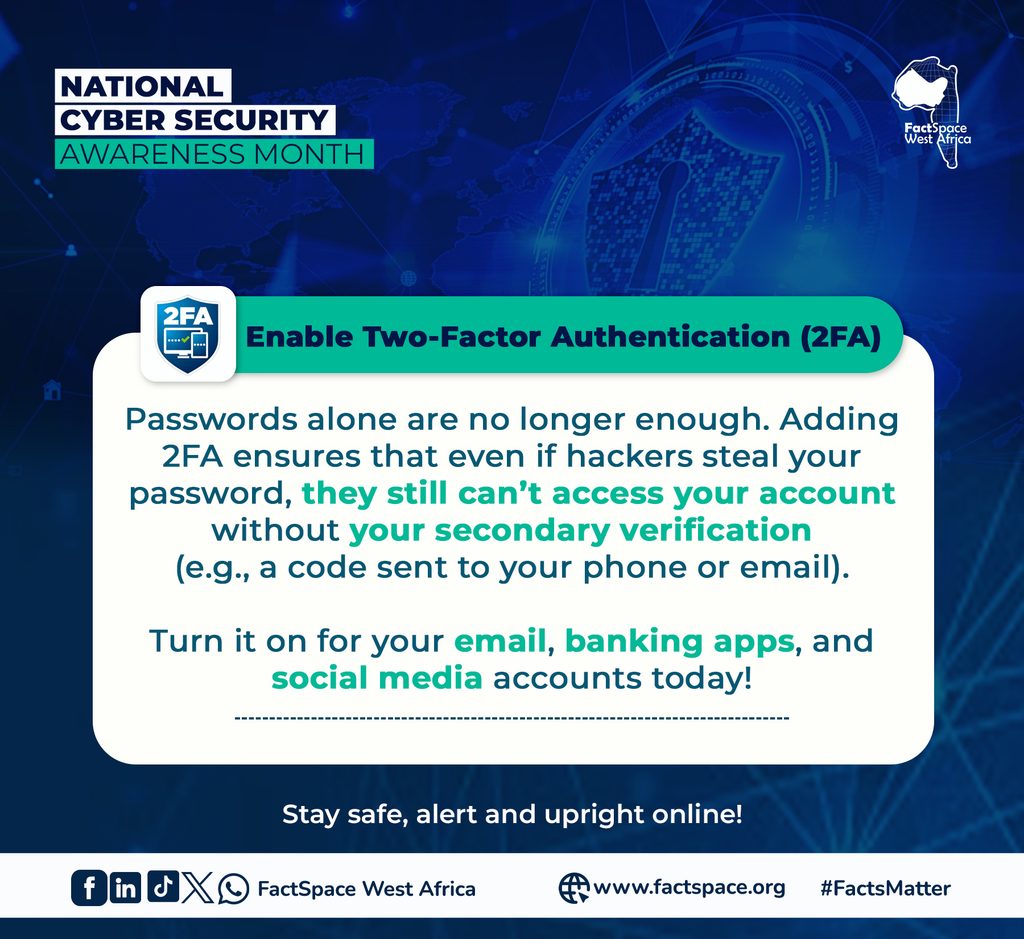
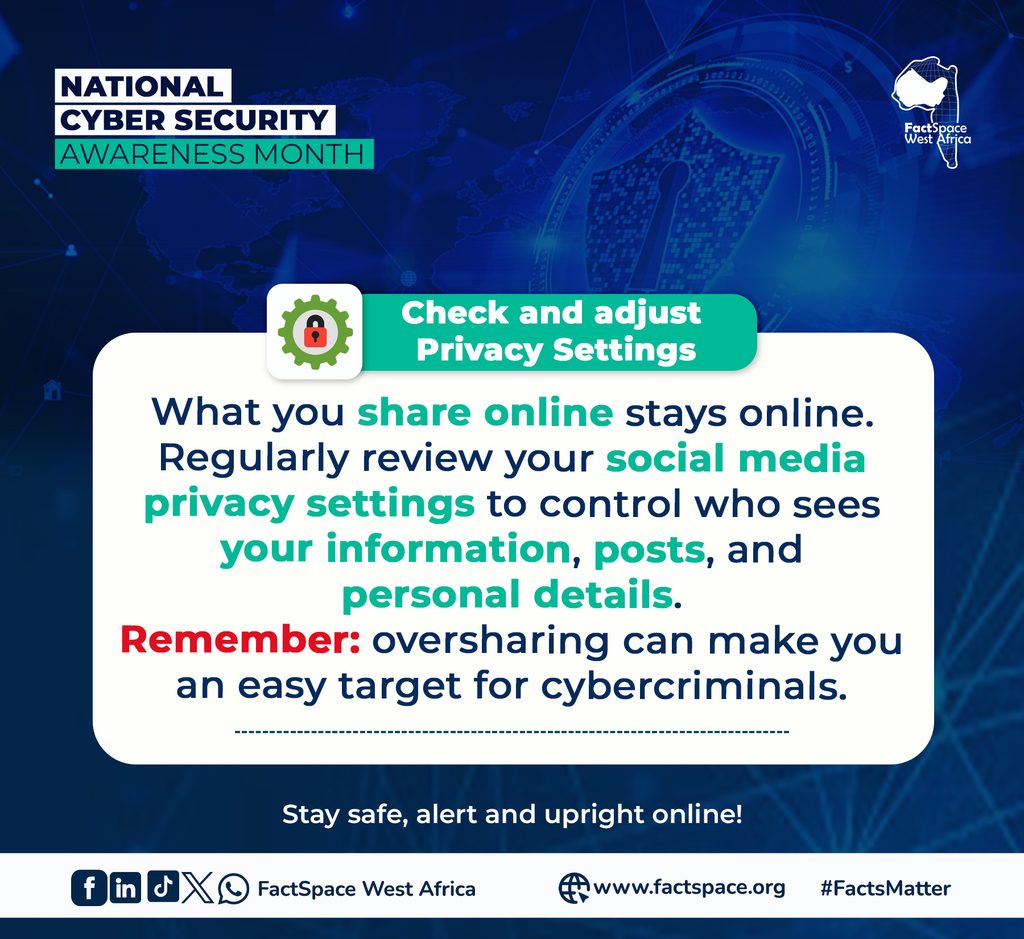
Check your privacy settings and be careful about how much personal information you make public. Use strong, unique passwords and enable Two-Factor Authentication. Avoid suspicious links and unknown downloads, keep your devices and apps updated, and never share your passwords, PINs or One-Time Passwords.
Also, verify information before sharing it. Responsible digital behaviour protects both your information and your reputation.
Think Before You Leave Your Next Footprint
- Your digital footprint is also about how you treat other people.
- Do not use social media to bully, harass or spread hate.
- Ask permission before posting someone else’s photograph or personal information, particularly when it could expose or embarrass them.
- A responsible digital citizen understands that there is a real person behind every social media account.
- Your online behaviour can affect other people just as their behaviour can affect you.
Make Your Digital Footprint Count
The internet can open doors to learning, opportunities, creativity and meaningful connections, but those benefits come with responsibility. You may not be able to control every piece of information associated with you online, but you can control many of the choices you make.
- Think before you click.
- Think before you post.
- Verify before you share.
- Protect before you expose.
Your digital footprint is part of your digital identity, so make every step count and help make the internet a safer, kinder and more trustworthy place for everyone.

Written by Samuel Adjetey Adjei