
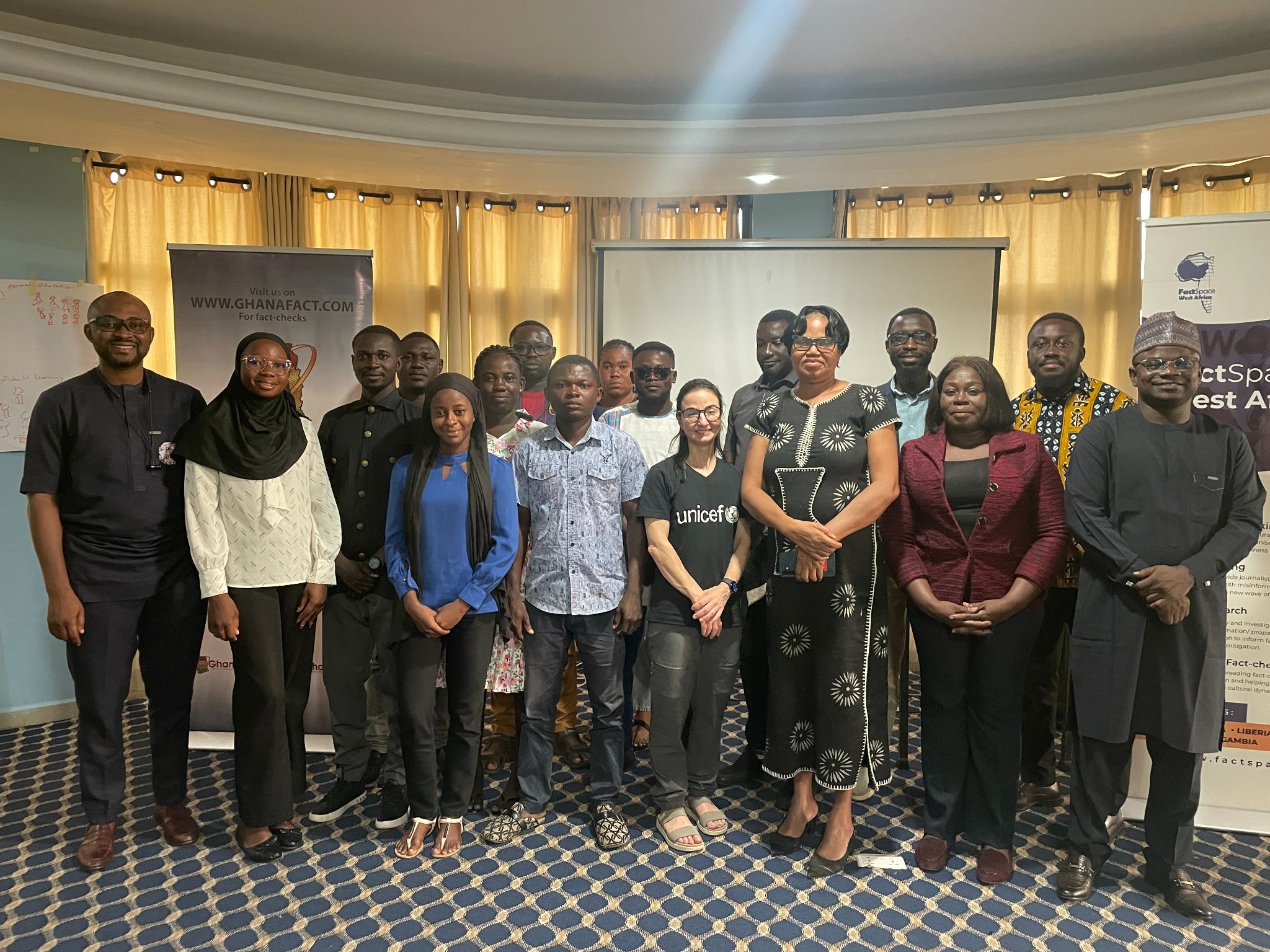
Bolgatanga, July 13, 2026 – FactSpace West Africa has trained twelve (12) data collectors under the UNICEF-supported Accountability to Affected Populations (AAP) Project.
The project forms part of efforts to strengthen community engagement and establish a reliable Community Feedback Mechanism for refugees, asylum seekers, and host communities in northern Ghana.
The training, held on July 13, 2026, at Ganass Hotel in Bolgatanga, equipped participants from selected districts in the Upper West and Upper East regions with the knowledge and practical skills required to collect reliable data while upholding ethical standards and safeguarding the dignity of community members.
The training forms part of the project’s broader objective of ensuring that the voices, concerns, and experiences of affected populations are systematically captured and used to inform humanitarian programming.
RelatedNews
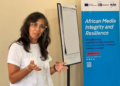


UNICEF’s child protection specialist, lawyer Hilda Mensah, took participants through United Nation Children’s Fund’s (UNICEF) mandatory Prevention of Sexual Exploitation and Abuse (PSEA) training.
She emphasised that people affected by humanitarian interventions must be treated with dignity, protected from exploitation and abuse, and provided with safe mechanisms for feedback and complaints.
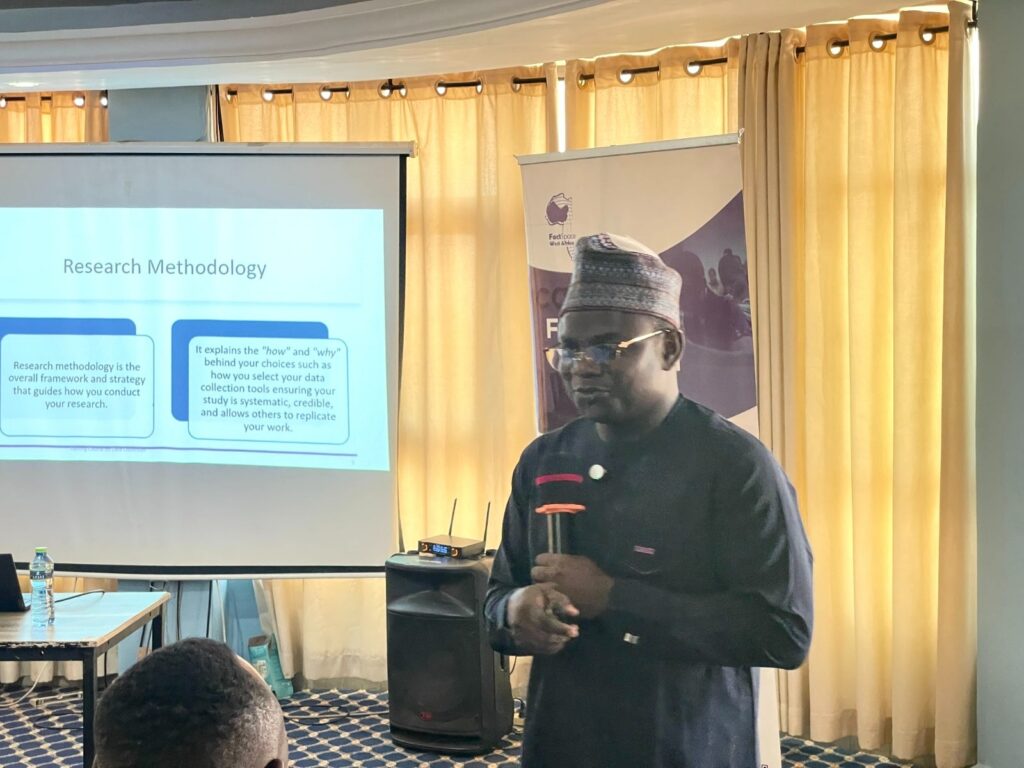
The main training was led by the Dean of Communication and Media Studies of the University of Development Studies (UDS), Associate Professor Eliasu Mumuni, who covered key areas including research methodology and interviewing skills. Other areas included research ethics, digital data collection tools, data quality assurance, field procedures, safety and security, communication and professional conduct, and handling sensitive topics.
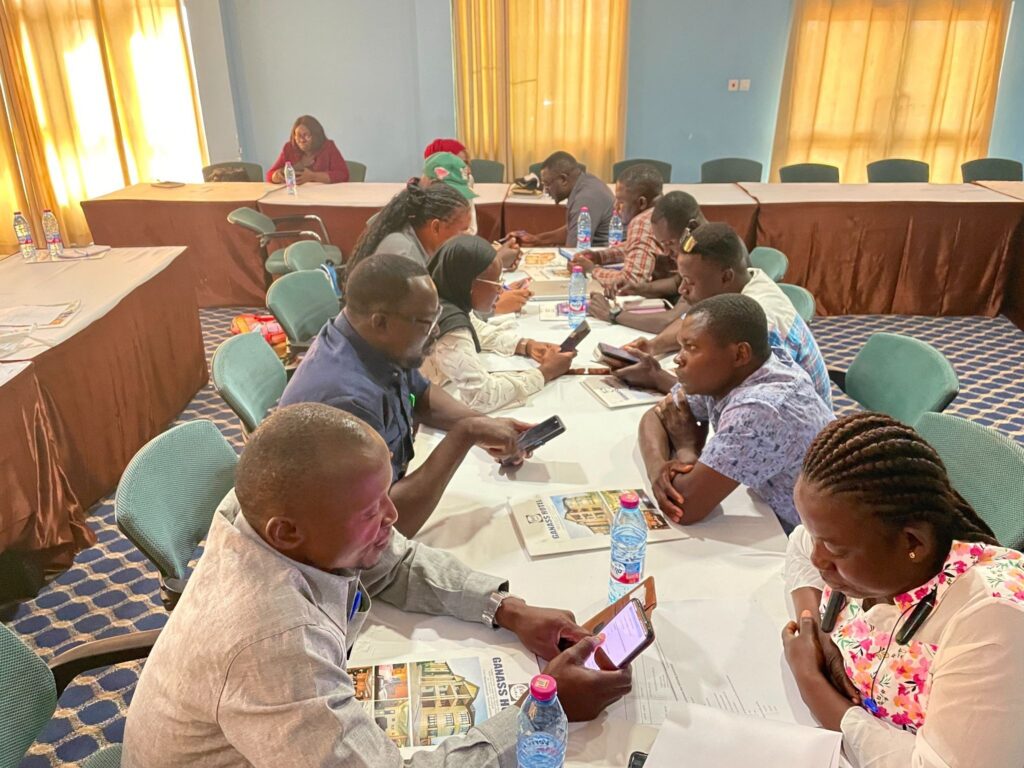
Participants also took part in practical group exercises and testing of the data collection tools, allowing them to familiarise themselves with the questionnaire, practice interviewing techniques, and identify areas for improvement before deployment to the field.
Prof. Mumuni emphasised, “If there will be mistakes, they must happen in the pilot phase not in the substantive phase.” The exercise reinforced the importance of accuracy and ethical engagement during data collection.
The Executive Director of FactSpace West Africa, Rabiu Alhassan, shared the objectives of the project, expected outcomes, timelines, reporting structure and the role of each data collector. He also outlined the fieldwork schedule, data collection targets and expectations regarding professionalism, confidentiality and adherence to project protocols.
UNICEF Ghana’s Social and Behaviour Change manager, Sonya Sagan, on her part, highlighted the importance of community participation throughout the programme cycle. She emphasised the need for accessible information, effective feedback and complaint mechanisms, inclusive engagements of marginalized groups, and the use of community feedback and evidence to inform humanitarian decision-making.
Stakeholder Engagement
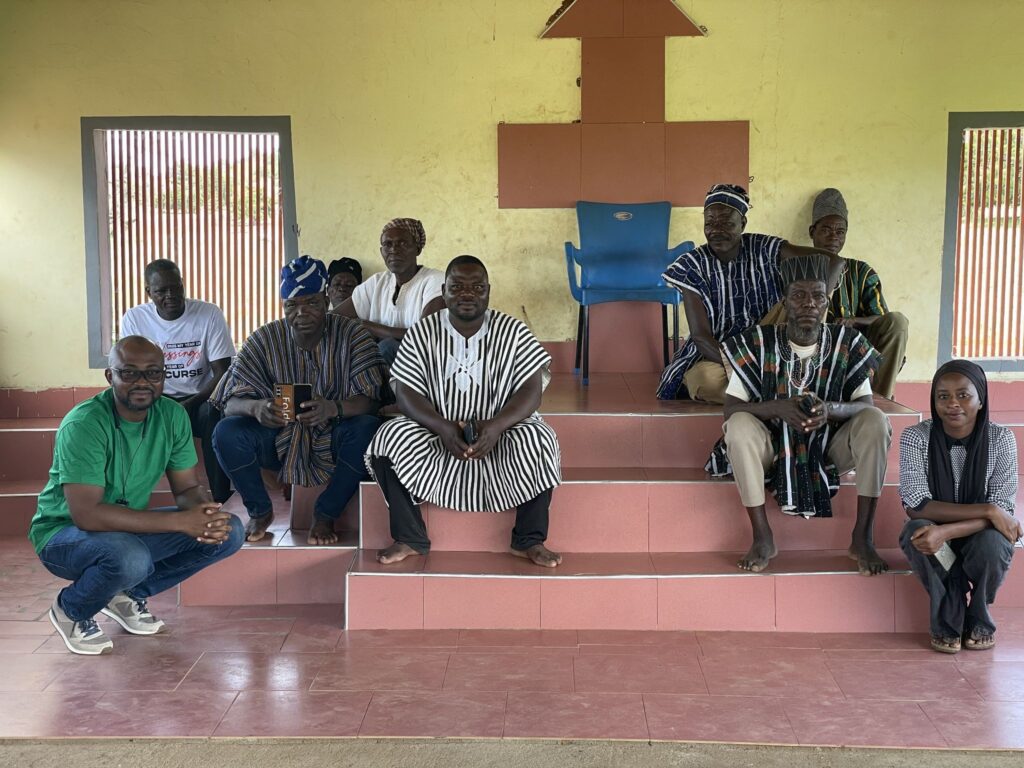
Prior to the training, FactSpace West Africa conducted stakeholder engagement visits in the Sissala West District of the Upper West Region and the Bawku West District of the Upper East Region. The team visited the Zini Refugee Camp in Sissala West district and the host communities of Atarikom and Widnaba in the Bawku West district.
These engagements helped introduce the project to key partners like the traditional leaders, the District Assemblies, the Ghana Refugee Board (GRB), and the United Nations High Commissioner for Refugees (UNHCR), strengthening collaboration for the establishment of a trusted and accessible community feedback mechanism.
The stakeholder engagements provided an opportunity to engage directly with community leaders and better understand some of the challenges facing refugees and host communities, including concerns related to food assistance, access to education, and other socio-economic issues.
These insights provide valuable insights into community priorities that will guide the data collection exercise, ensuring that the feedback mechanism reflects the needs and priorities of affected populations.
The Accountability to Affected Populations (AAP) Project
The AAP Project is implemented by FactSpace West Africa with support from UNICEF as part of efforts to enhance community engagement, improve access to reliable feedback channels, and ensure that humanitarian interventions are informed by the voices of the people they serve.
By equipping trained data collectors with the technical, ethical and practical skills required for fieldwork, FactSpace West Africa is laying the foundation for a credible and responsive Community Feedback Mechanism.
The project will ensure that the voices of refugees, asylum seekers and host communities are captured and used to improve humanitarian programming and strengthen accountability.