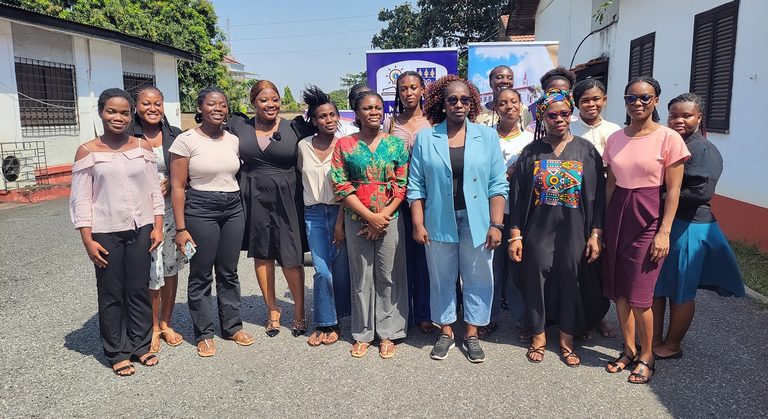

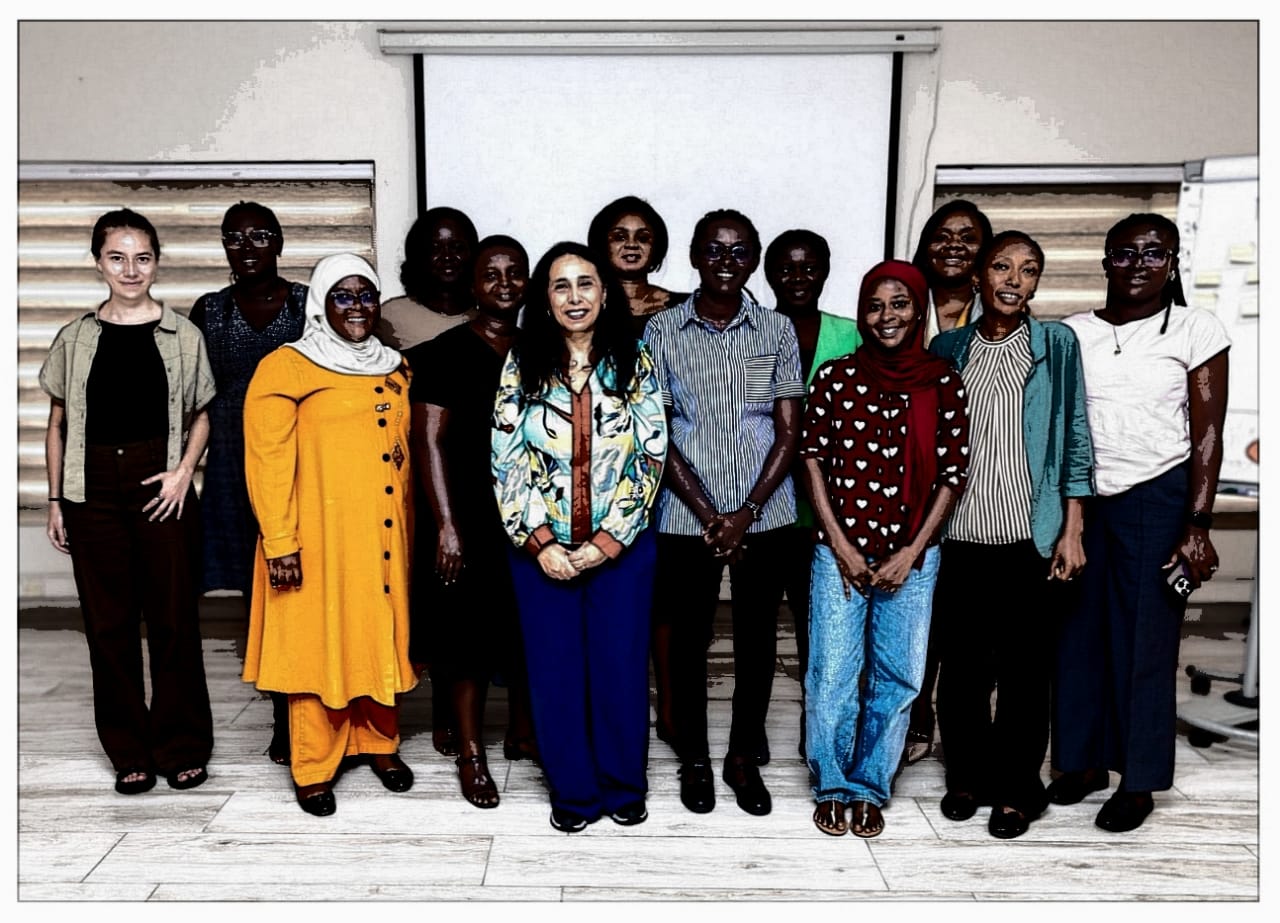

Accra – November 26, 2026 – FactSpace West Africa participated in a three-day Safety for Female Journalists Training, organised by DW Akademie with support from the German Federal Ministry for Economic Cooperation and Development (BMZ).
Research Associates Nusrat Essah and Charlotte Gbonsu, joined 10 other journalists from various media organisations for the training that took place from November 23 – 25, 2026, in Accra.
Facilitated by International Journalist and safety expert, Dr Abeer Saady, the training focused on equipping female journalists with practical knowledge and skills to identify, assess and manage risks they may encounter in the course of their work. Key areas included physical, digital and psychosocial safety, with discussions highlighting how these aspects of safety are interconnected and influence one another.
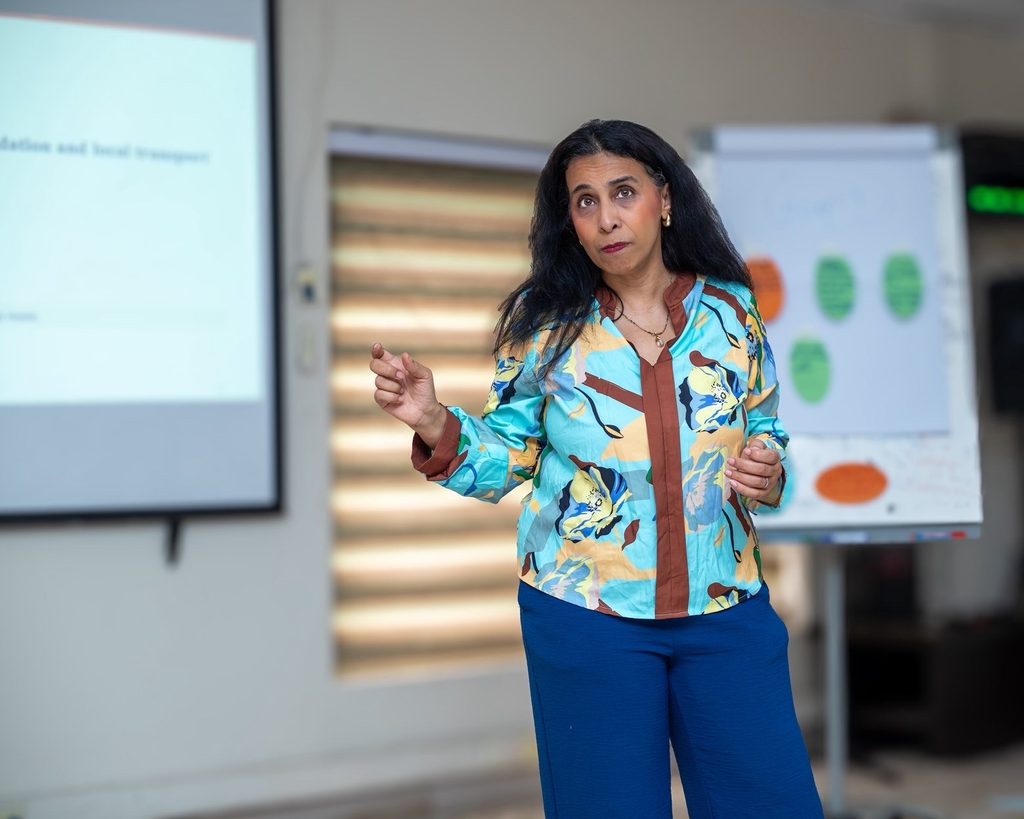
Dr Saady also discussed practical sequences in assessing these risks: “Assess what might happen? How likely and how serious, what realistic control helps, and when to proceed, change, delay or stop.”
Through group exercises and practical scenarios, participants explored risk assessment and management strategies, situational awareness during public gatherings, crowd behaviour, profile management and the importance of having effective communication and safety plans. The sessions also examined the four stages of a safer reporting assignment: preparation, travel, reporting and return.
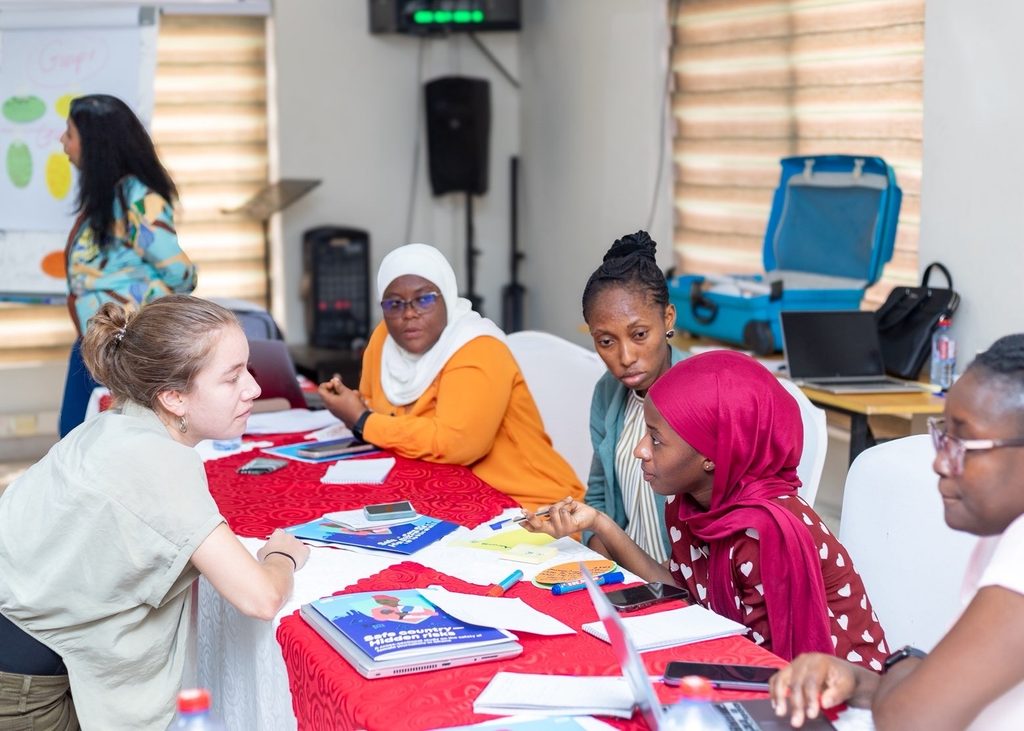
Participants also discussed newsroom duty of care, including the responsibilities of media organisations in ensuring journalists’ safety, as well as how to make informed decisions about whether to proceed with, postpone, change or stop an assignment when risks arise.
“As a female journalist, your safety comes first. You do not have to be visible; the more you’re exposed, the more your safety is reduced,” Dr Saady advised.
Relevance to fact-checking
For female journalists involved in fact-checking, the training was particularly relevant given the growing exposure to online harassment, intimidation and potentially hostile reactions when investigating and debunking claims.
Understanding how to assess risks, protect digital identities and manage psychosocial pressures is essential to carrying out fact-checking work safely and responsibly.
The training reinforced an important principle, reminding journalists to ‘tell the story, and not to become the story.’
Photo Credit: AASTAG Studios
Similar Posts
-

False! The Gambia is NOT ‘Africa’s smallest country’
Shaban Abdur Rahman Alfa • November 25, 2026 -

-

-