
Researched by Alfa Shaban
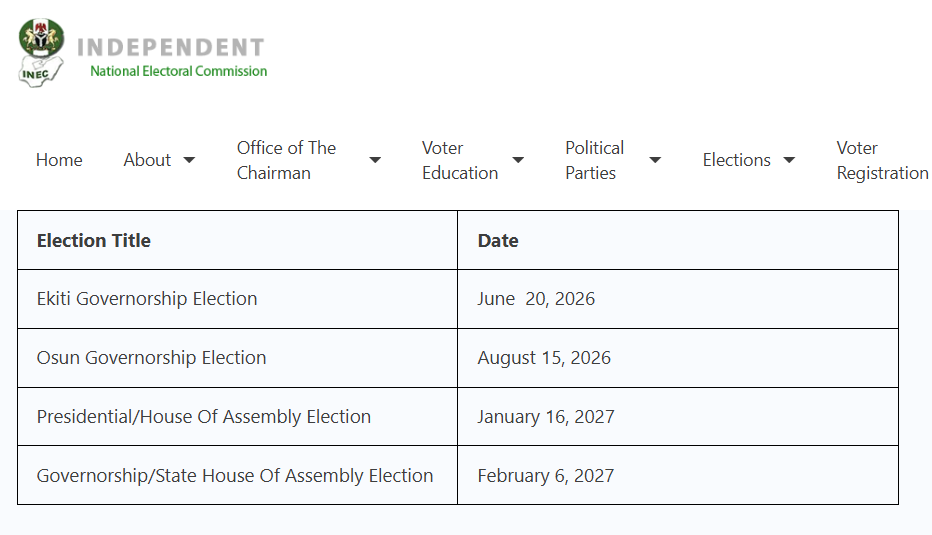
Africa’s most populous nation goes to the polls in 2027 for general elections that would see voters elect a president and members of the National Assembly or federal lawmakers – Members of the House of Representatives and The Senate.
Two weeks later, another round of elections will also be held for governors and state legislators across 28 of the 36 states in the federation. This is because Nigeria has an election cycle that has eight states voting outside of the known election season.
The presidential race is the most consequential election slated for the middle of January 2027 given that President Bola Ahmed Tinubu is seeking re-election for his second and final term which will make him the third president to successfully win two consecutive elections.
As part of FactSpace West Africa’s coverage of the elections, we look at how the different major political parties have elected their respective flagbearers.
RelatedNews

All Progressives Congress (APC)
Status: Incumbent party
Flagbearer election: Nationwide
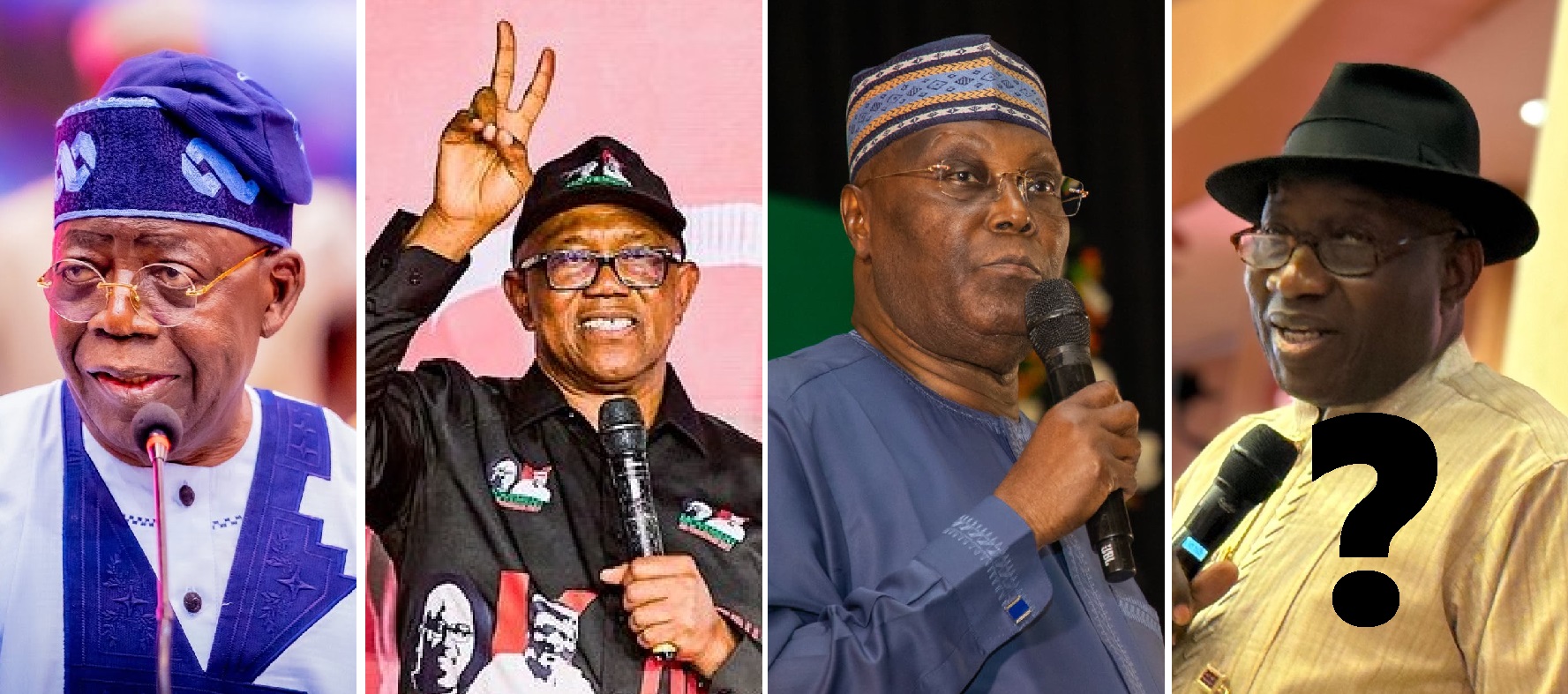
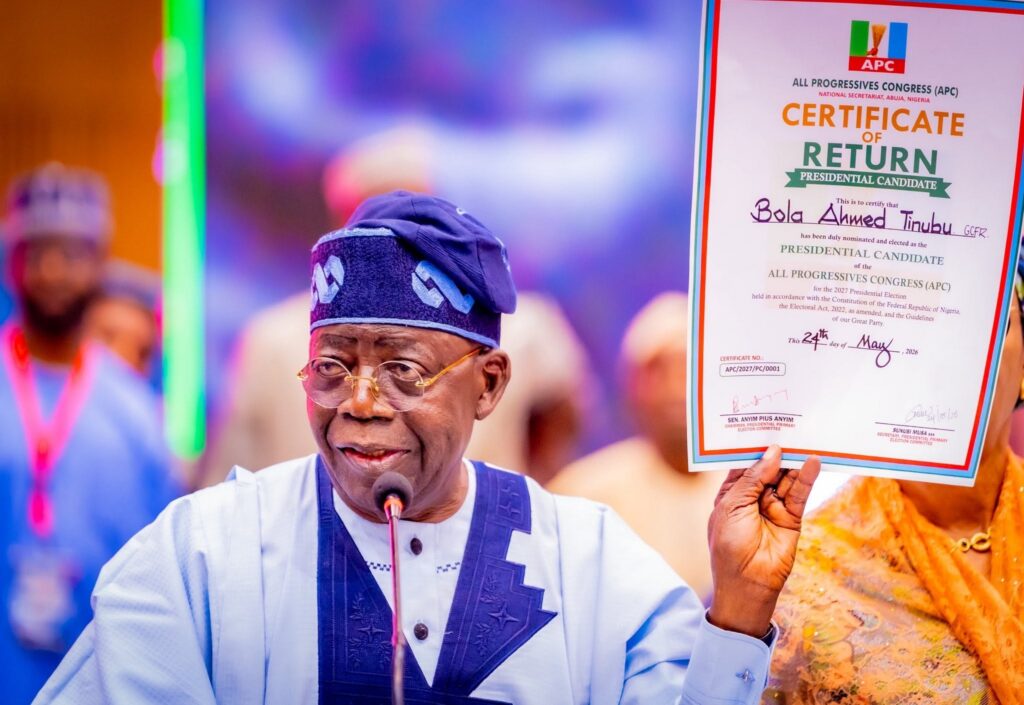
Candidate: President Bola Ahmed Tinubu (former Lagos State governor, Senator)
President Tinubu was formally elected APC flagbearer a day after the May 23 national primary election that involved only one competitor.
“At the end of the nationwide exercise, President Bola Ahmed Tinubu emerged victorious with a total of 10,999,162 votes, while Stanley Osifo secured 16,503 votes,” APC National Chairman Prof. Nentawe G. Yilwatda noted in a May 24 X post.
Nigeria Democratic Congress (NDC)
Status: Newly formed party
Flagbearer Election: Special Congress
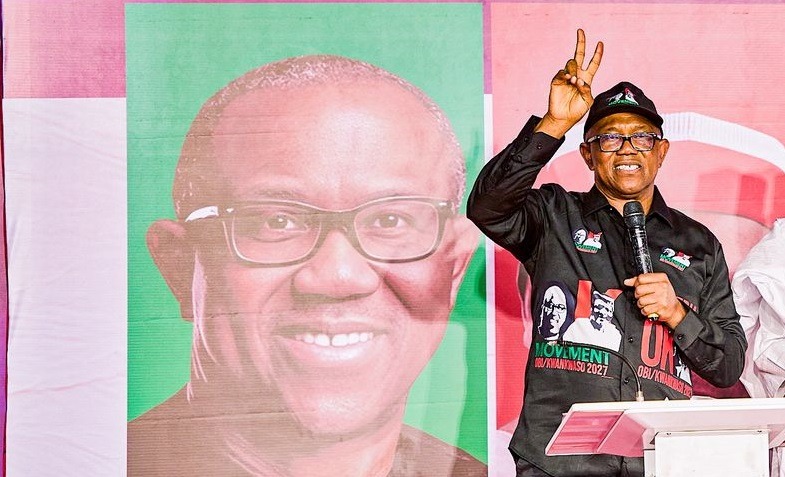
Candidate: Peter Gregory Obi (former LP presidential candidate, ex-Governor of Anambra State)
The NDC held its special delegates congress on May 30, 2026 at Abuja. At the end of the congress, Peter Obi was elected the party’s flagbearer for the 2027 elections. This will be Obi’s second consecutive run for the top post.
In the 2023 elections, Obi, a former governor of Anambra State, was flagbearer of the Labour Party (LP), coming third behind President Tinubu, former Vice President Atiku Abubakar. Obi polled over 6.1 million votes.
African Democratic Congress (ADC)
Status: Newly formed party
Flagbearer Election: National delegates vote
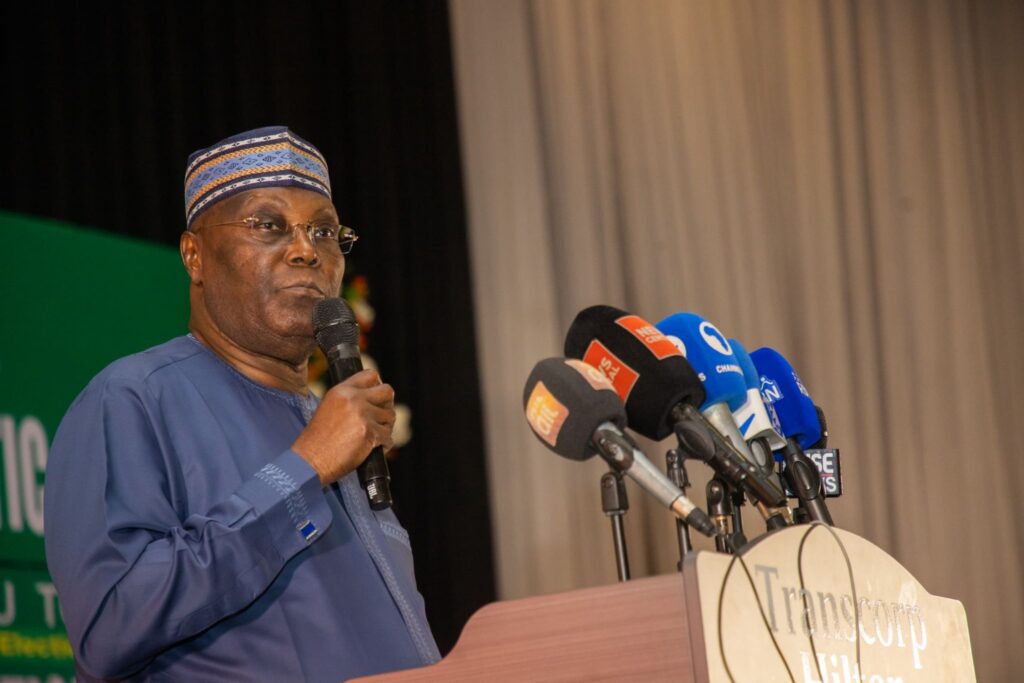
Candidate: Atiku Abubakar (former Vice President, former PDP presidential candidate)
Like the NDC, the ADC is a new party formed from political heavyweights who broke away from the main opposition Peoples Democratic Party (PDP). The ADC, on May 25 held a nationwide congress to elect its flagbearer. On May 28, collation at Abuja revealed that the ADC had elected former Vice President, Atiku Abubakar, as its flagbearer.
Labour Party (LP)
Status: Second strongest opposition party from 2023 elections
Flagbearer election: Special congress (Consensus)
Candidate: Prince Kennedy Ahanotu
LP came third in the 2023 election with Peter Obi as flagbearer, but following internal divisions, Obi resigned from the party before joining NDC. The party via a consensus vote at a special congress elected Prince Kennedy Ahanotu.
In his acceptance speech, he said: “With a full sense of responsibility and unwavering commitment to our nation, I proudly accept the nomination of our great party, the Labour Party, as its Presidential Candidate for the 2027 General Election. I am particularly humbled that this nomination emerged through consensus.”

Party: Peoples Democratic Party (PDP)
Status: Main opposition party
Flagbearer election: Special congress (Consensus)
Candidate: Goodluck Ebele Jonathan (former Bayelsa State governor, former VP and former President)
Nigeria’s former ruling party, PDP, like Labour Party has been in disarray with factions jostling for control of the national party and its structures. A PDP faction on May 28, claimed to have elected former President Goodluck Jonathan as PDP candidate for the 2027 elections.
Jonathan has not independently confirmed his acceptance of the slot, the last public statement he made on the matter was to the effect that he was going to consult widely before responding to or declining the call to return to the ballot.

The electoral body, the Independent National Electoral Commission (INEC) expects a list of candidates from different registered political parties for the 2027 general election. INEC must confirm the candidature of all candidates for the presidential race according to guidelines of the Electoral Act 2026.
According to Section 29(1) of the Electoral Act 2026, political parties must submit a list of their candidates no later than 120 days before the election.