
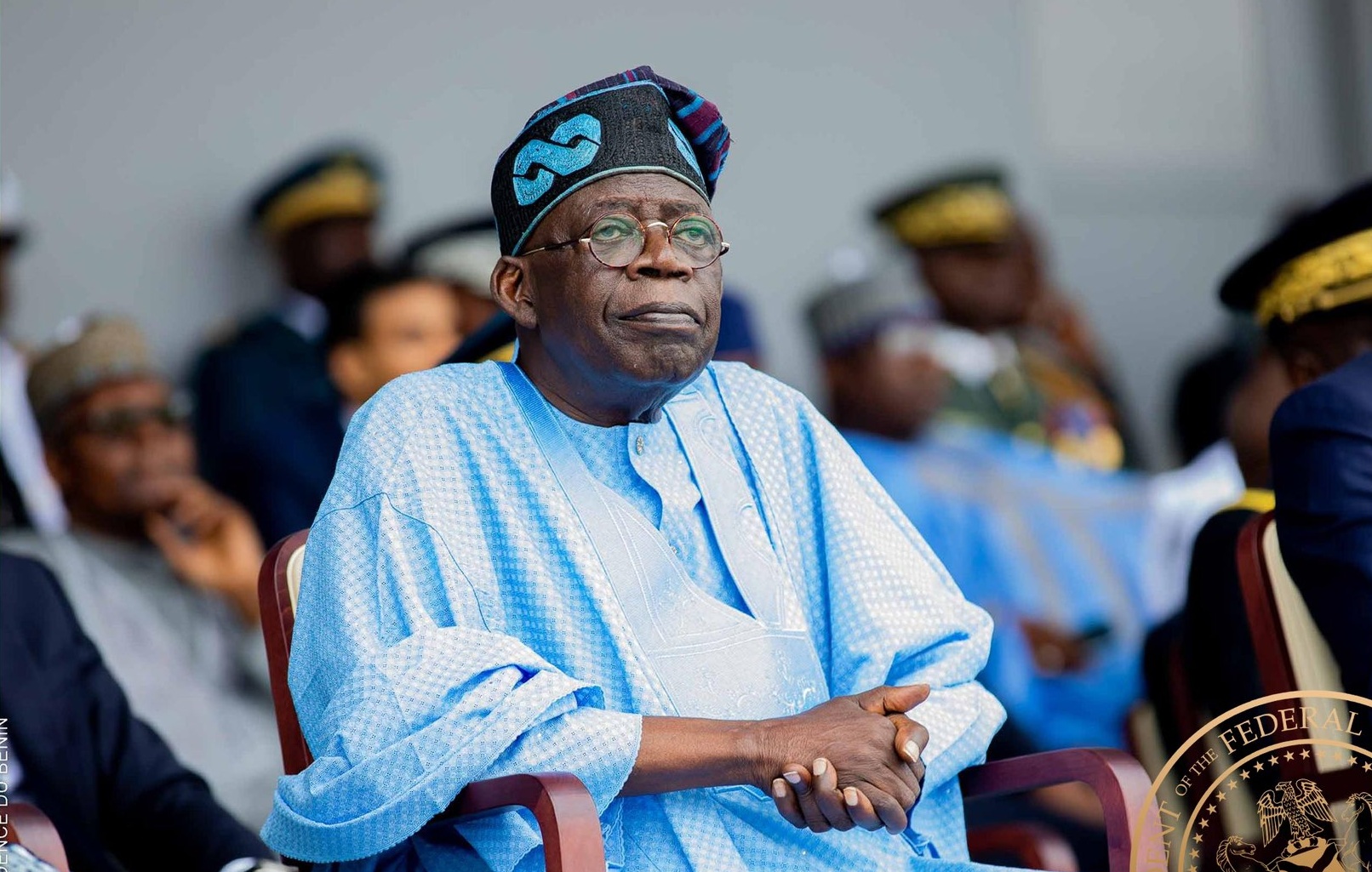

Nigerian president Bola Ahmed Tinubu has reiterated his warning over the growing threat of misinformation and disinformation, cautioning that emerging technologies such as voice and facial cloning and deepfakes pose significant risks to national security, democracy and public trust.
Speaking at the maiden State House Press Corps Dinner in Abuja on July 2, 2026, the President urged journalists to uphold the highest standards of professionalism by verifying information before publication and resisting the temptation to amplify falsehoods.
Describing information disorder as “drawbacks of the social media age,” Tinubu noted that advances in artificial intelligence have made it easier to manipulate audio and video, thereby blurring the lines between fact and fiction.
Reaffirming his support for press freedom, Tinubu said democracy cannot thrive without an independent media, but stressed that such freedoms must be exercised with responsibility.
“Democracy is stymied without a free press. The fourth estate of the realm must be a free estate and not a fief. However, where there is enormous power, there should be accountability and responsibility. The ethics of the profession must be considered sacred and upheld by practitioners,” he said.
“The recurring incidents of misinformation, disinformation, fake news, voice and facial cloning and deep fakes are concerning. These are the drawbacks of the social media age. Media practitioners should not be willing couriers of falsehood or unverified information injurious to national security and the nation,” he added.
The president also reminded journalists that “freedom of expression is not freedom to defame” and “freedom of the press is not freedom to mislead,” urging the media to choose “fact over falsehood, substance over sensation and credibility over clickbait.”
Tinubu’s remarks are consistent with previous statements in which he has warned about the dangers of fake news and digital manipulation. In May 2026, the Presidency warned that deepfake videos and fabricated audio clips were being deployed to spread religious disinformation and inflame political tensions ahead of the country’s 2027 general elections, describing such content as a threat to national cohesion.
Tinubu’s latest remarks come against the backdrop of growing global concern over artificial intelligence-generated misinformation.
As digital technologies continue to evolve, the President maintained that the media’s role as a trusted gatekeeper of information has become more critical than ever, urging journalists to uphold the ethical principles of their profession while safeguarding the public’s right to accurate and credible information.
Tinubu has formally declared his 2027 re-election bid and has since retained current Vice President Kashim Shetimma as his running mate.