
Researched by Mariama Fatty (Volunteer with FactSpace West Africa in The Gambia)
Before Gambia became independent in 1965, coalition alliances existed between political parties. But successive coalitions failed to win until 2016 when seven political parties formed a coalition and secured presidential victory.
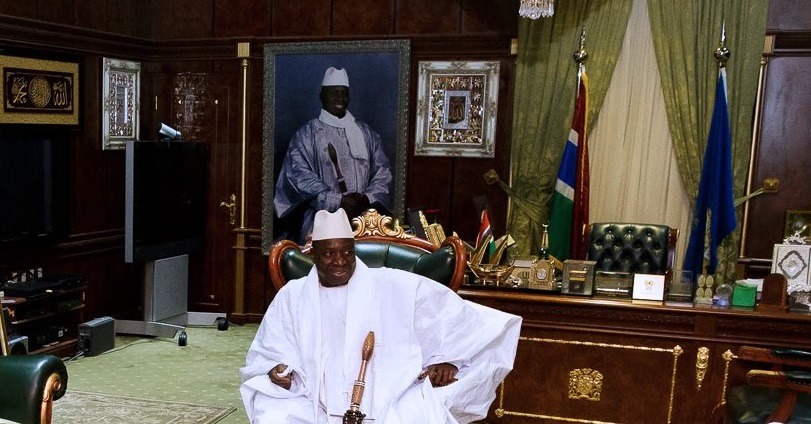
By 2016, President Yahya Jammeh had ruled The Gambia for twenty-two years. In his fifth term as president, The Gambia was scared and deeply scarred under a man who came to power through a coup. Families lost their loved ones, many of whom disappeared without saying a final goodbye.
Freedom of speech was never a choice. The fear created by the dictatorship had conquered The Gambian people.
But how can we escape or peacefully topple this dictatorship? This was the question that had been asked repeatedly for the better part of the 22 years with no possible answer. Advocates, journalists, and patriotic citizens demanded justice, but to no avail. Even coup attempts – real and imagined – never succeeded.
RelatedNews

Then the political parties took center stage to remove Jammeh. The then president had never been defeated at the polls and he appeared to have all organs of state on his side – the National Assembly, the Judiciary and the security forces.
But this time was different. Instead of contesting as separate parties and crowding the ballot, seven political parties, together with one independent candidate and civil society organizations, formed a coalition.
Composition of the 2016 Coalition
The coalition comprised seven political parties and their key leaders. It brought together the United Democratic Party (UDP), led by Ousainu Darboe; the People’s Democratic Organisation for Independence and Socialism (PDOIS), whose key leaders included Halifa Sallah and Sidia Jatta; the National Reconciliation Party (NRP), led by Hamat Bah; the Gambia Moral Congress (GMC), led by Mai Ahmad Fatty; the People’s Progressive Party (PPP),led by Omar Amadou Jallow (O.J. Jallow); the National Convention Party (NCP), led by Lamin Bolong Bojang; and the Gambia Party for Democracy and Progress (GPDP), led by Henry Gomez.
Other prominent figures who played influential roles in the coalition’s formation and leadership included Fatoumatta Jallow-Tambajang and Dr. Isatou Touray, who both became Vice Presidents.
After several months of dialogue, a candidate was selected. Adama Barrow, a member of the United Democratic Party (UDP) and its deputy treasurer, was chosen to lead the coalition.
After several months of campaigning on and offline, at home and across the Gambian diaspora, December 1, 2016, arrived, and Adama Barrow emerged as the winner of the presidential election, securing 43.34% of the votes, while former President Yahya Jammeh secured 39.9%.
Jubilation began, and “New Gambia” became the slogan.
Coalition talks collapse in 2021
In 2021, coalition discussions were initiated among nine political parties. Three of these nine were from the 2016 coalition, they were UDP led by Ousainu Darboe, GMC led by Mai Ahmad Fatty and the PPP led by Kebba E. Jallow.
The seven new members were the Gambia Action Party (GAP), led by Musa Ousainou Yali Batchilly; the Gambia Democratic Congress (GDC), led by Mama Kandeh; the Citizens’ Alliance (CA), led by Dr Ismaila Ceesay; the National Unity Party (NUP), led by Abdoulie Ebrima Jammeh; the Gambia For All (GFA), led by Bakary Bunja Darboe; the All People’s Party (APP), led by Essa Mbye Faal.
They could however not reach an agreement. By that time, however, the members of the 2016 coalition government had already parted ways.
The coalition effectively broke down due to disagreements over the “three-year transition” promise, leadership disputes, and parties preparing independently for the 2021 election.
Ousainu Darboe – Father of coalitions?
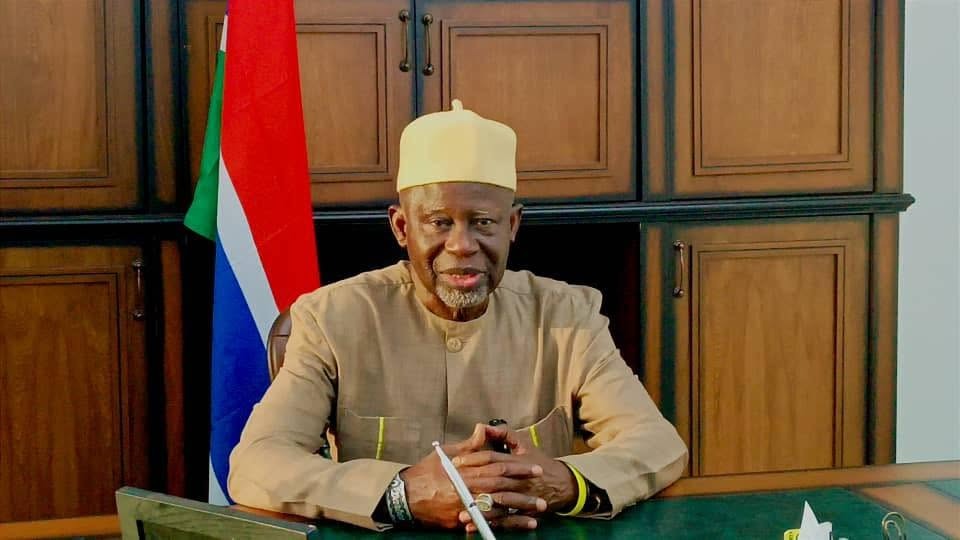
Out of the three parties that have been central to the last two coalitions, Ousainu Darboe of the United Democratic Party (UDP), a one-time political prisoner under Jammeh and a Vice President under Barrow, is often seen as the standout opposition figure given his political trajectory and the fact that he leads the biggest opposition party in Parliament.
He is currently leading efforts to present a coalition candidate ahead of upcoming elections.
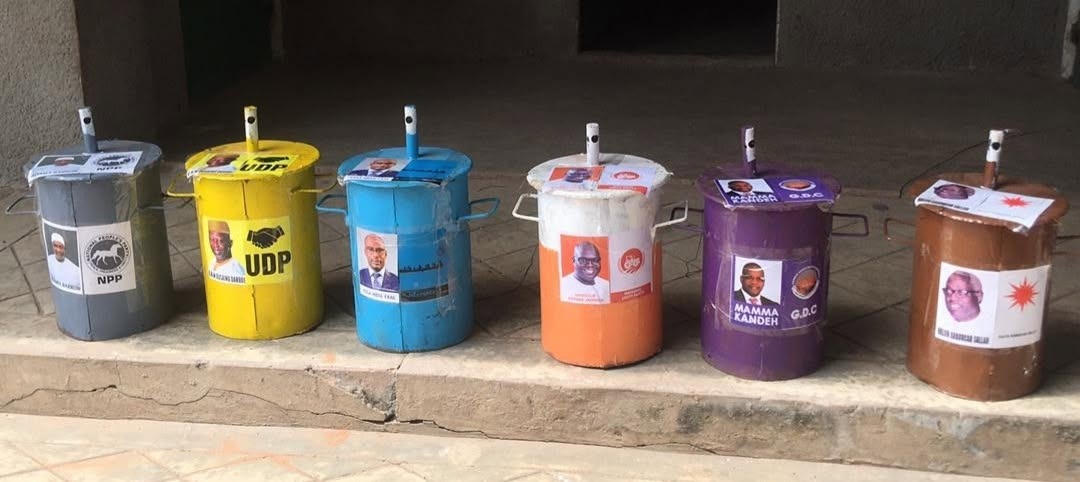
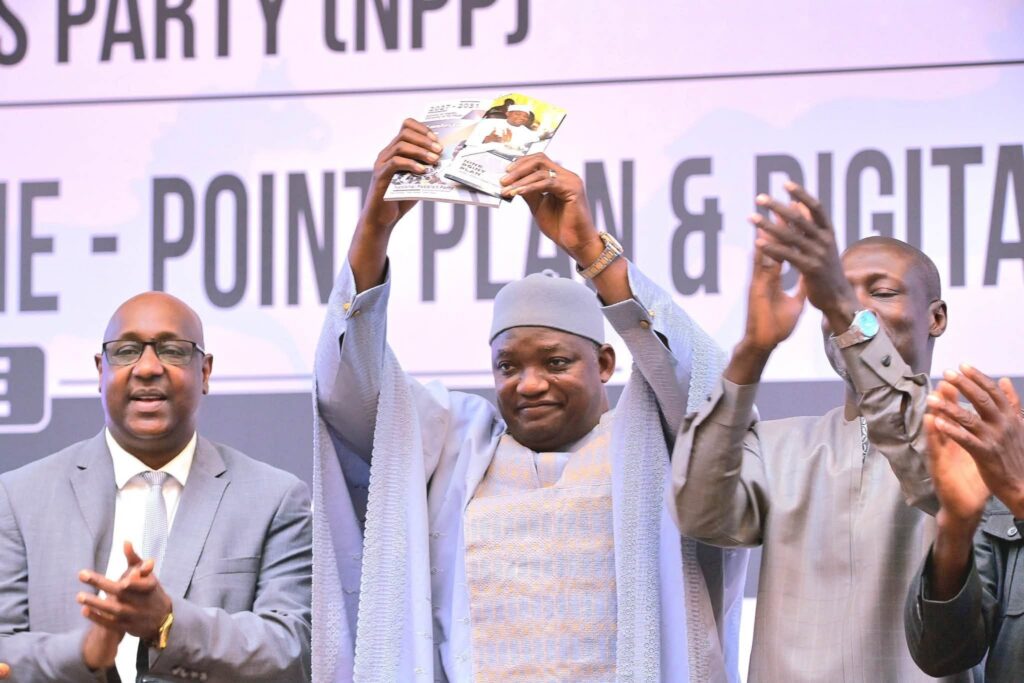
Now, with the presidential election scheduled for December 5, 2026, a coalition once again appears to be the opposition’s most viable option to unseat the incumbent President Adama Barrow, who has transformed from an opposition candidate to coalition president and has since formed his own political party, the National People’s Party Gambia (NPP):
An alliance in power
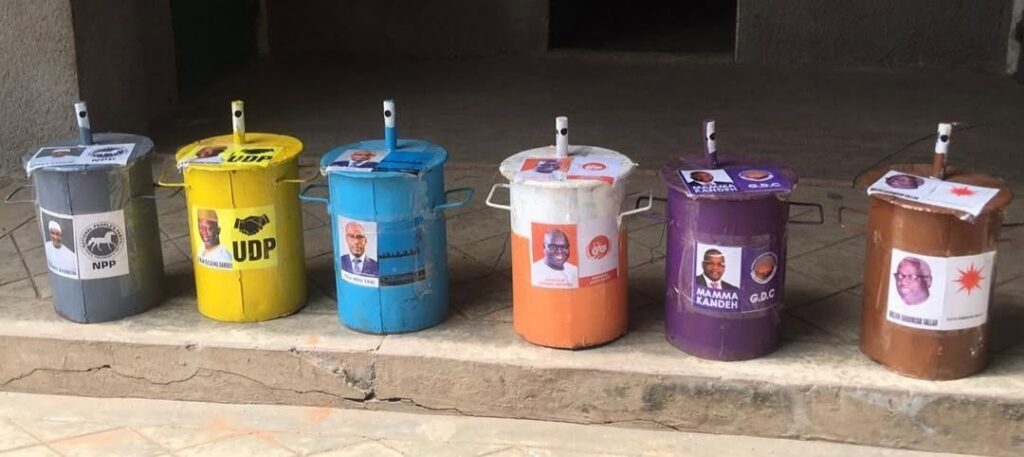
In the 2021 election, NPP formed the NPP Grand Alliance with partners like the National Reconciliation Party (NRP) of Hamat Bah, Citizens’ Alliance (CA) of Dr Ismaila Ceesay, the Gambia Moral Congress (GMC) of Mai Ahmed Fatty, the Gambia Party for Democracy and Progress (GPDP) of Henry Gomez, the Alliance for Patriotic Reorientation and Construction (APRC) led by Fabakary Tombong Jatta, the People’s Progressive Party (PPP) of Kebba Jallow and an independent candidate, Momodou Bah.
Political scientist and youth activist share their perspectives on coalitions
Mr Biran Gai a political analyst and Political Science lecturer at the University of The Gambia shared his view on the 2026 coalition dialogue.
“In a multiparty democracy, coalition-building is often the most effective way to unseat an incumbent government. The Gambia’s 2016 presidential election is a clear example of this, as it was through a united opposition coalition that the then-ruling APRC was voted out of power.
“A similar outcome could be possible in 2026 if the opposition succeeds in presenting a united front against the ruling NPP. Coalitions have therefore become a central issue because it is difficult for any single opposition party including the United Democratic Party (UDP)to defeat the incumbent on its own.
Historically, incumbent governments tend to have significant advantages, including access to state resources and the institutions of government, which can strengthen their electoral position. For this reason, many believe that the opposition’s best chance of success lies in working together under a common coalition rather than contesting the election separately.
“For these reasons, coalition talks have also become a key part of the political conversation ahead of the 2026 presidential election.”
Speaking on the chances of coalition agreement Mr. Gai added: “At the moment, it appears unlikely that the opposition will form a single united coalition before the elections. However, it is still too early to conclude that the talks will fail. The discussions are ongoing, and the final outcome remains uncertain.
“The success of any coalition will depend largely on the willingness of the opposition parties to engage in constructive dialogue, adopt a pragmatic approach, and make the necessary compromises. If their primary objective is to bring about political change, they will need to set aside some of their individual party interests and work towards a common goal.
“At the same time, they must recognize the political realities within the opposition. There are larger parties with broader support bases and smaller parties with different interests and priorities. Reconciling these differences and balancing competing interests will be one of the greatest challenges in the coalition-building process.
“If the parties are able to navigate these differences and reach mutually acceptable agreements, a united coalition similar to the one seen in 2016 remains possible. However, if they maintain rigid positions in the coming weeks and months, the opposition may instead produce multiple coalitions rather than a single united front. Such fragmentation could ultimately work to the advantage of the ruling National People’s Party (NPP).
“Therefore, the prospects for a united coalition will depend on the willingness of the opposition parties to compromise and prioritize their shared political objectives over individual party interests.”
The 2026 coalition talks have begun,opposition parties have resumed discussions about forming a coalition to challenge the incumbent in the election. As of now, discussions have taken place, but no formal coalition has been finalized.
Hakim Touray, a youth activist and President of Gambians Against Looted Asset also shared his view on the challenges and why it will be difficult for a 2026 coalition dialogue to succeed.
“The biggest challenges include disagreements over who should lead the coalition, mistrust among political parties, conflicting political interests, and the absence of a clearly defined common agenda. In addition, some parties may fear losing their individual political identity or influence within a coalition arrangement. Unless these issues are addressed through honest dialogue, transparency, and compromise, forming a durable coalition will remain difficult.”
Considering the fate of the 2016 coalition government, he added on the lesson the opposition parties should learn from the 2016 coalition mistakes.
“The biggest lesson is that coalitions should be built on principles, not personalities. The 2016 coalition demonstrated that political unity can produce historic democratic change, but it also showed that failing to establish clear agreements, mutual trust, and mechanisms for resolving disputes can create instability after victory.
“Political parties should therefore define their objectives, governance arrangements, decision-making processes, and policy priorities before entering into any coalition. Most importantly, they should remember that public trust is earned through integrity, accountability, and delivering on promises – not simply by forming alliances for electoral success.”
Elections slated for December 2026
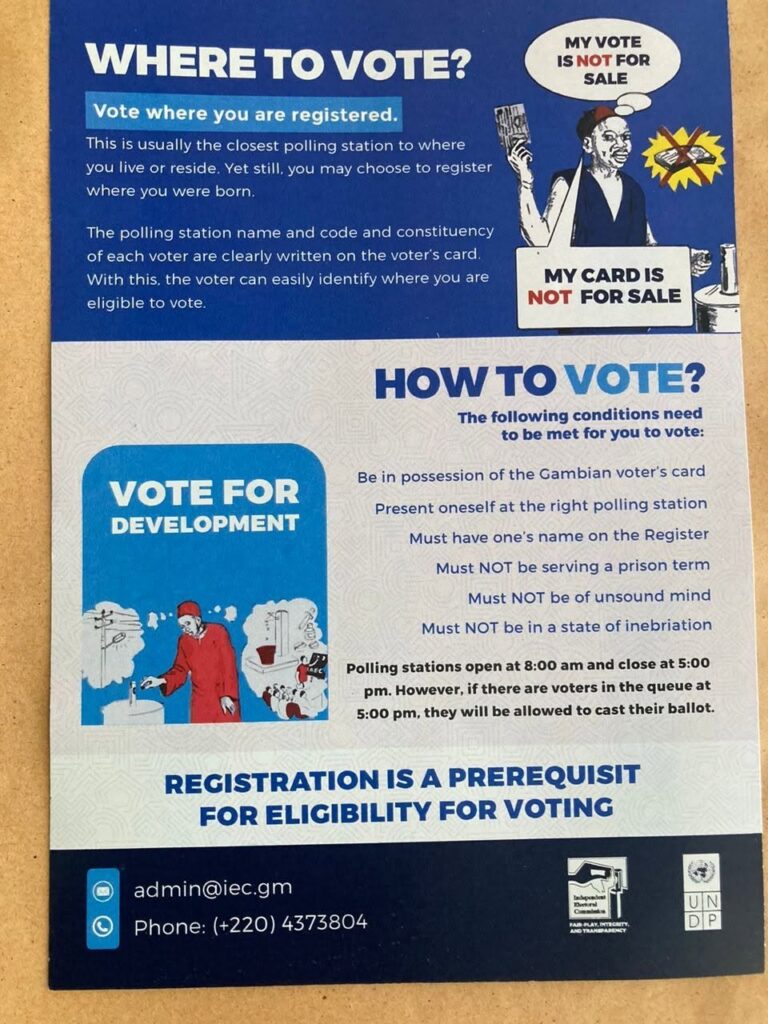
The next Gambian presidential election is scheduled for 5 December 2026. The familiar routine has begun once again. Months have passed since coalition talks started, and the opposition promised to select a single candidate by the end of July.
However, as of Monday, July 6, only the People’s Progressive Party (PPP), led by Saikou Sawo, declared it is in coalition with the United Democratic Party (UDP).
Now, what will be the fate of the 2026 coalition? Will it suffer the same fate as the failed coalition talks of 2021, or will it succeed like the historic coalition of 2016?
Only time will tell.
Timeline of coalition politics in The Gambia from 2016 to 2026.
| Date | Incident |
| October – November 2016 | Seven opposition parties, an independent candidate form Coalition 2016 with Adama Barrow as its candidate |
| December 2016 | Opposition coalition defeats President Yahya Jammeh |
| 2019 | President Barrow leaves UDP, forms his own party, the NPP |
| 2020 | 2016 Coalition collapses ahead of 2021 elections |
| 2021 | Talks over 2021 coalition collapses as parties fail to align on candidate and key issues |
| December 2021 | President Barrow runs as NPP candidate and secures re-election for second 5-year term |
| 2026 | Discussions underway between 9 parties to form a coalition ahead of December polls |
| December 5, 2026 | Gambians to vote in second post-Yahya Jammeh presidential elections |