
Climate change continues to affect communities in different ways, influencing livelihoods, food systems, health, and environmental sustainability. While the crisis is global, its impacts are often local, making it essential for communities to have accurate, relatable, and evidence-based climate stories that reflect lived experiences.
This highlights the growing importance of youth-led climate reporting in amplifying community voices and promoting informed public discourse.
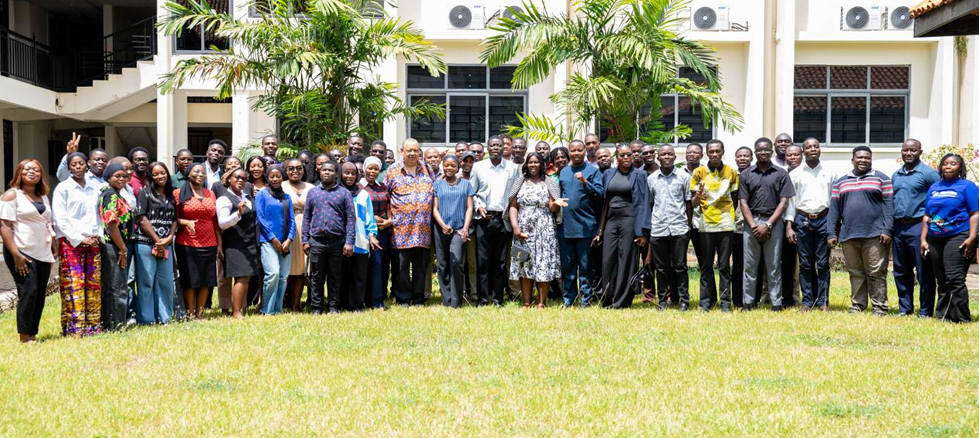
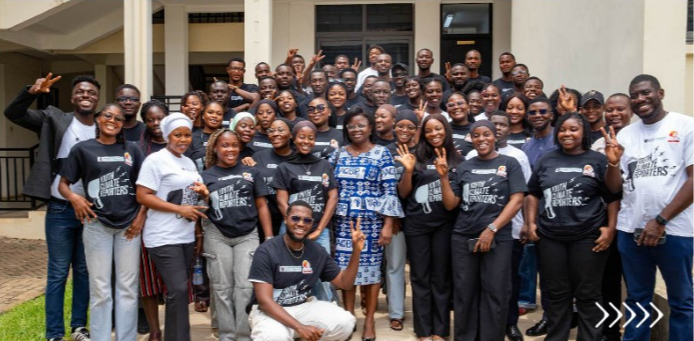
Research Associate with FactSpace West Africa, Nusrat Essah, recently joined the Youth Climate Report (YCR) training programme organized by the Climate and Development Knowledge Network (CDKN), Africa Climate Collaborative (ACC) of University of Ghana (UG), in collaboration with Beyond the Science (BTS), YEFL Ghana, and JoyNews.
The three-day training held from March 30 to April 1, 2026, at the School of Public Health (UG), aimed to empower young people from diverse backgrounds with the knowledge and skills needed to effectively report on climate change issues and amplify local climate solutions through storytelling. The training combined theoretical sessions with practical media training.
RelatedNews

Associate Professor at the Centre for Climate Change and Sustainability Studies, Prof. Yaw A. Boafo, emphasized that although climate change is global, its impacts are experienced differently depending on local realities, underscoring the need for context-driven climate storytelling.
Head of News at JoyNews, Evans Mensah, highlighted the role of young reporters in connecting communities to national conversations, noting that climate youth reporters “are not just reporters but connectors between communities and national attention.”
He also encouraged participants to build trust with communities and “show up before the story,” rather than only during crises.
Channel Manager at JoyNews, Kwaku Owusu Peprah, urged participants to move beyond event-based reporting and focus on explaining systems and causes behind climate issues, while prioritizing people’s lived experiences and translating complex climate information into accessible stories.
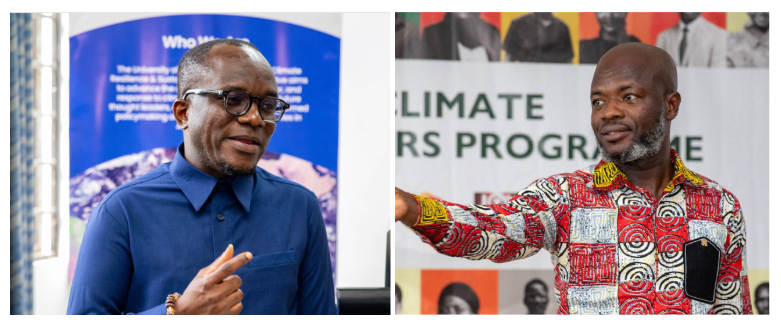
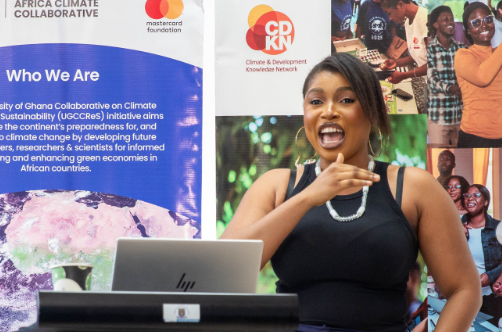
Participants also received training on Gender, Equity, Disability, and Social Inclusion (GEDSI) in climate storytelling, facilitated by Dr. Shelta Gatsey, which emphasized inclusive reporting and the importance of amplifying marginalized voices.
Dr. Gatsey emphasised on the importance of addressing the accurate information as we “are serving as the bridge between the fact on the ground and the fact that needs to be addressed.”
The programme also included hands-on breakout sessions in TV production, radio production, write-ups and publications, and social media content creation, where participants developed climate stories and received mentor feedback.
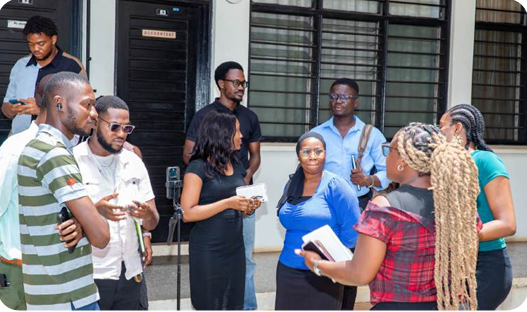
The final day featured a client and consultancy session to refine participants’ proposed climate reporting projects. Participants were also given access to the Ghana Climate Literacy Portal to deepen their climate knowledge.
Relevance to Fact-checking
Climate change remains an information space frequently affected by misinterpretation of scientific data, and misleading narratives. The importance of accuracy was emphasized by Elikem Kotoko, the Deputy CEO of Forestry Commission, who cautioned participants to always prioritize sending across accurate information.
Strengthening climate literacy enhances the ability of fact-checkers to verify climate-related claims, contextualize scientific findings, and communicate evidence-based information clearly. The storytelling and data sourcing skills gained from the training also support the production of accurate reports that counter misinformation and promote informed public discourse on climate issues.
The Youth Climate Reporters programme highlights the growing role of young communicators in shaping climate conversations, amplifying local voices, and strengthening accurate, impactful climate reporting.
Written By Nusrat Essah
Photo credit: CDKN Ghana